Private response
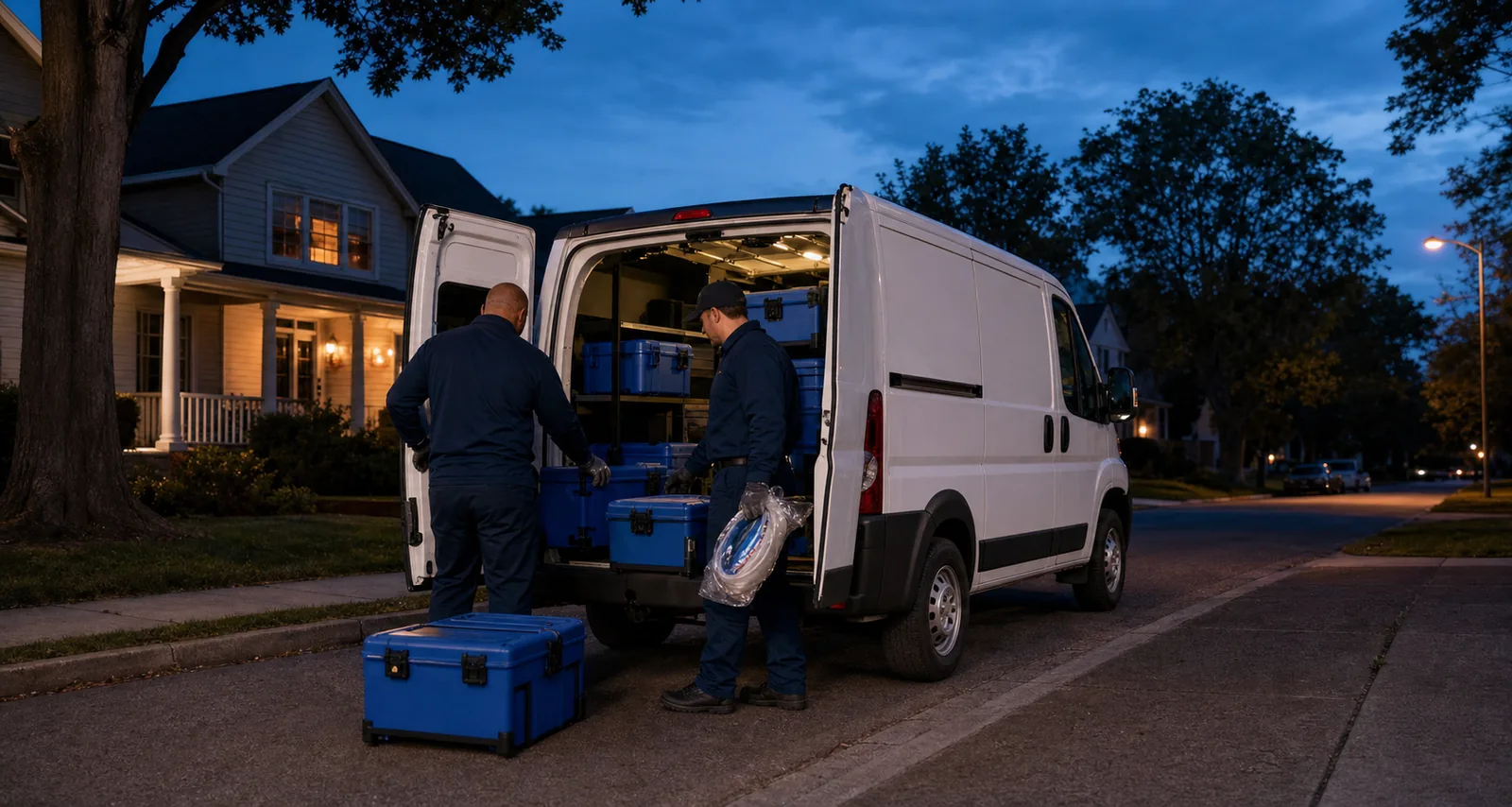
Discreet arrival and need-to-know communication help protect the privacy of families, tenants, and businesses.
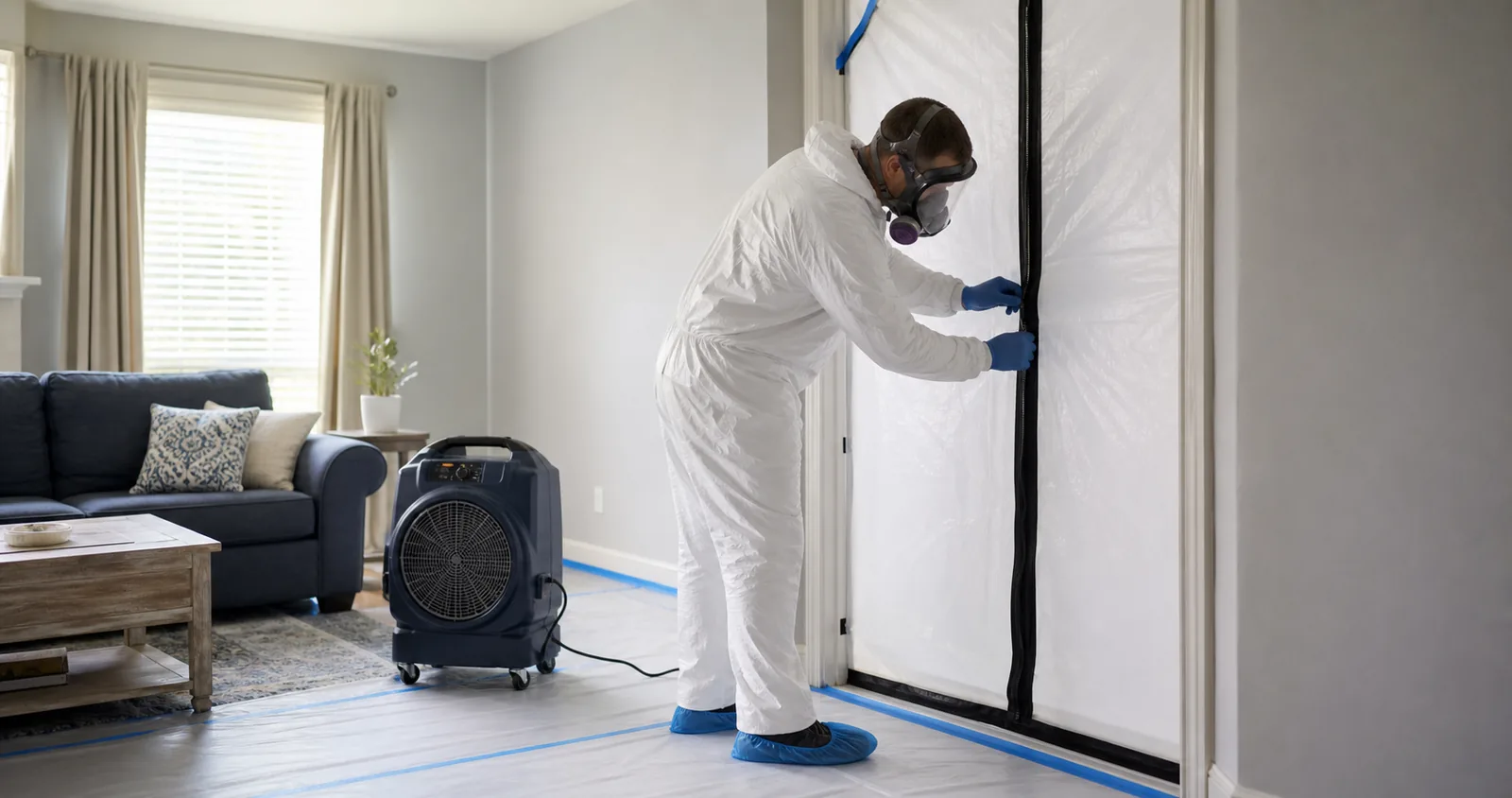
When biological contamination affects a property, ordinary cleaning is not enough. We isolate the work area, remove affected materials as the scope requires, clean and disinfect salvageable surfaces, and guide the property toward safe re-entry.
Biohazard remediation is a controlled process for situations involving blood, bodily fluids, other potentially infectious materials, contaminated contents, or related odors. The goal is to address both the visible material and the less obvious paths contamination may have taken into seams, porous finishes, contents, and adjacent surfaces.
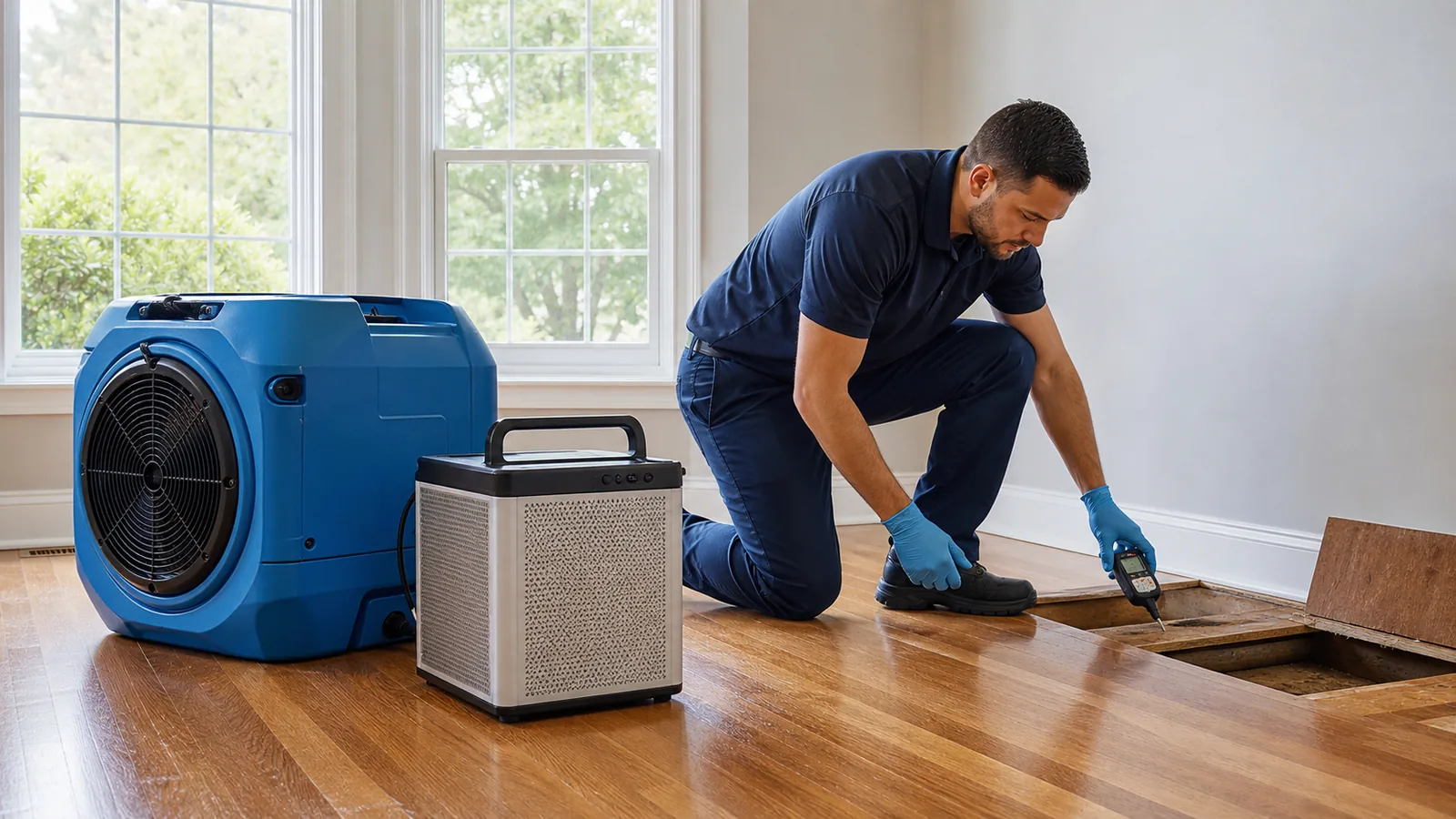
Norfolk and Hampton Roads properties range from historic homes and multifamily buildings to military-adjacent rentals, hospitality spaces, offices, and waterfront properties. Access rules, shared hallways, humidity, and occupied neighboring units can all affect containment and scheduling, so those conditions are reviewed before work begins.
Discreet arrival and need-to-know communication help protect the privacy of families, tenants, and businesses.
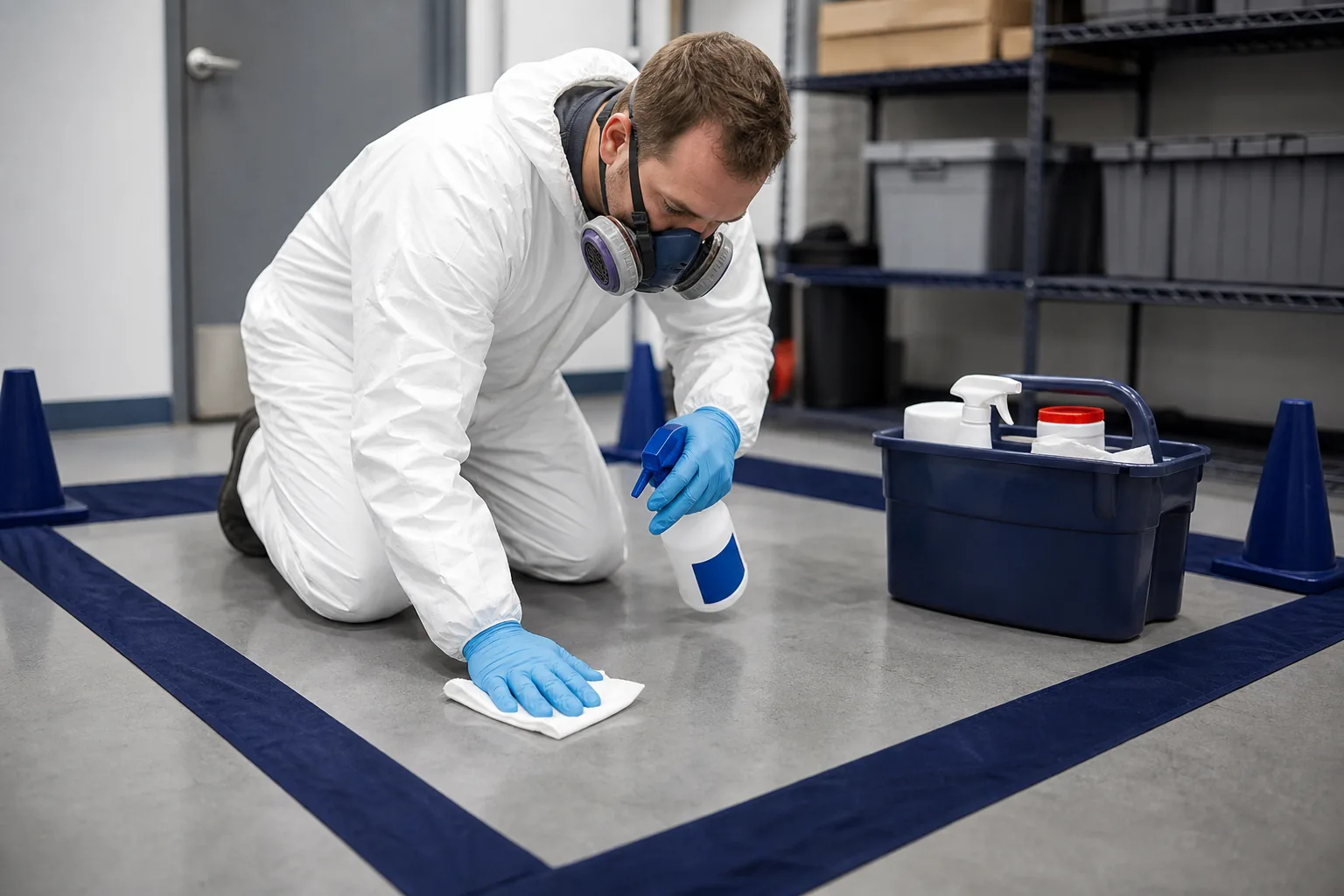
Containment, controlled access, and protective practices help limit cross-contamination during remediation.
The estimate identifies affected areas, anticipated removal, cleaning steps, and important limitations.
Every project is different. Your written scope should identify the work area, authorized removal, surfaces to be retained, products or equipment anticipated, access assumptions, and important exclusions.
Request an AssessmentInitial situation and access assessment
Work-zone containment and controlled entry
Removal of affected disposable or unsalvageable material when authorized
Detailed cleaning of salvageable surfaces
Disinfection with an EPA-registered product selected for the surface and application
Packaging and handling arrangements for waste generated by the work
Odor-source evaluation and final visual review
Exact products are confirmed during scope planning. EPA-registered disinfectants are used according to their labels, including the intended surface, dilution, safety precautions, and contact time.
We confirm scene release, access, visible conditions, sensitive occupants, and the likely boundaries of the work.
The work zone is isolated, protective materials are installed, and the cleanup sequence is established.
Affected materials are handled by condition, then remaining surfaces are cleaned before disinfection.
We inspect the work area, explain remaining limitations or repairs, and document the completed scope.
Do not enter an unsafe or unreleased area to gather information. Call with what you already know.
For property-specific advice, call so we can account for scene status, affected materials, access, and local response conditions.
(757) 553-9150 →Call when blood, bodily fluids, other potentially infectious materials, decomposition, or contaminated porous materials are present. Keep the area isolated and avoid DIY cleaning until the conditions are assessed.
No. When law enforcement, a medical examiner, or another authority controls the scene, cleanup must wait until that authority releases it.
Not automatically. Items and finishes are evaluated by material, condition, exposure, and whether they can be cleaned effectively. The estimate should distinguish salvageable items from materials recommended for removal.
We start with a private call and may request photos only when it is safe and appropriate. A site assessment is often needed before a written scope can be finalized. Urgent stabilization and full remediation can be authorized separately when timing requires it.
Call for urgent dispatch or send the details you can safely share. We'll explain the next step and how a written scope is prepared.