Nonjudgmental process
The focus stays on safety, priorities, and practical decisions—not blame.
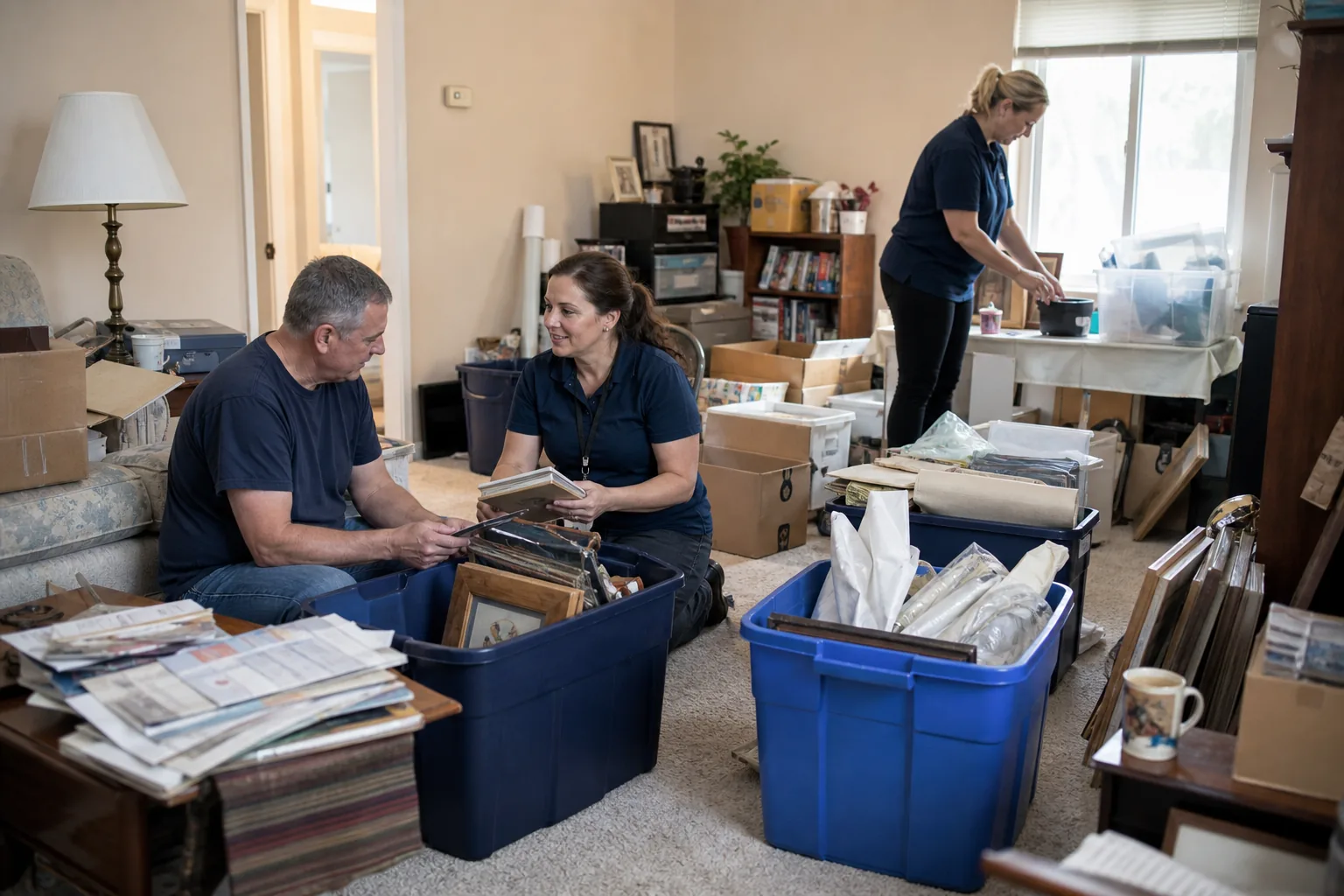
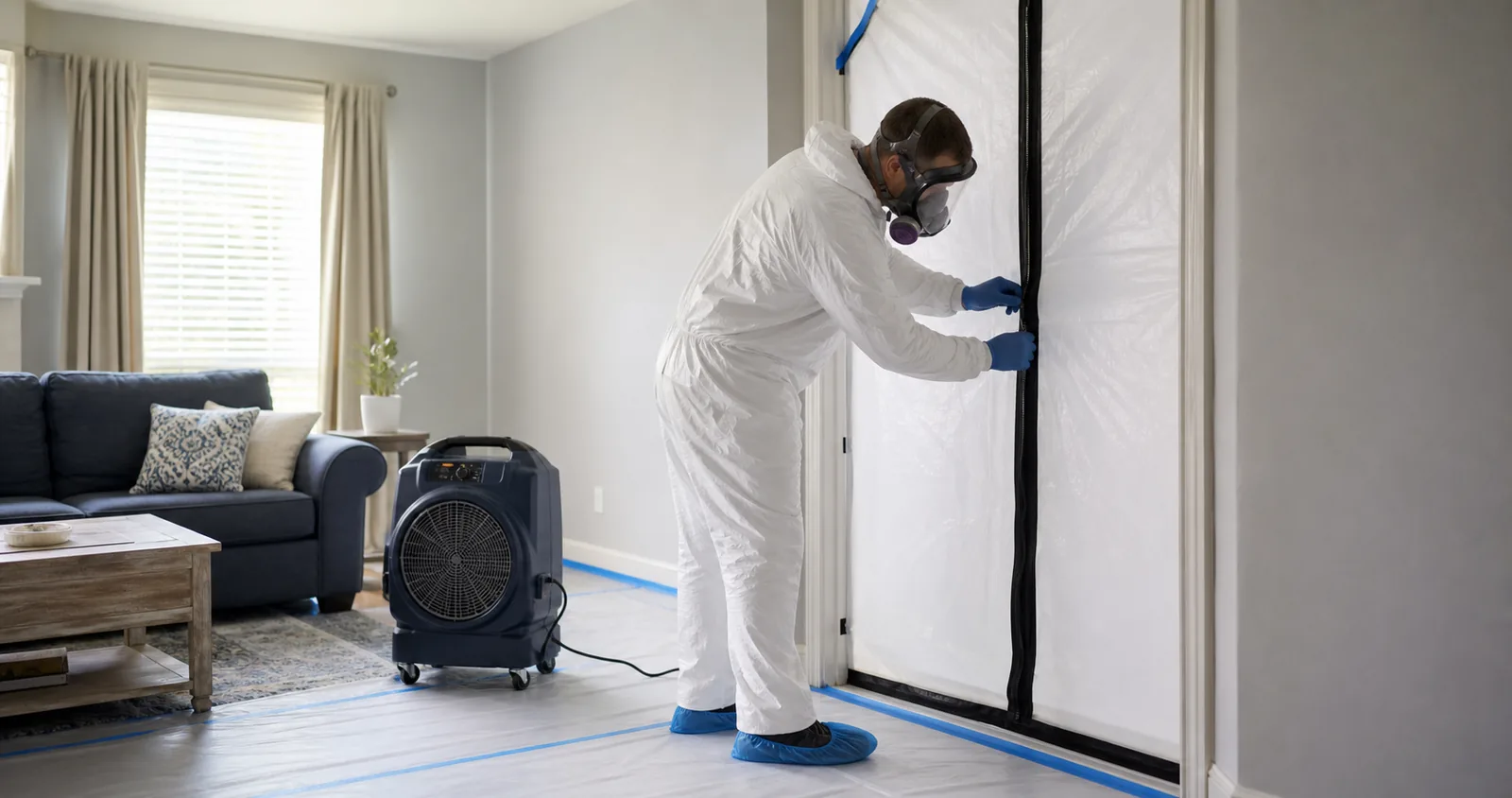
Hoarding cleanup is not simply hauling. We create safe access, protect priority belongings, sort with an agreed decision process, remove authorized material, and address sanitation or biohazard conditions found along the way.
Every hoarding situation has a different combination of belongings, structural access, sanitation, pests, moisture, sharps, animal waste, or other hazards. A workable plan sets decision rules before removal begins and separates standard contents work from contamination that requires protective remediation.
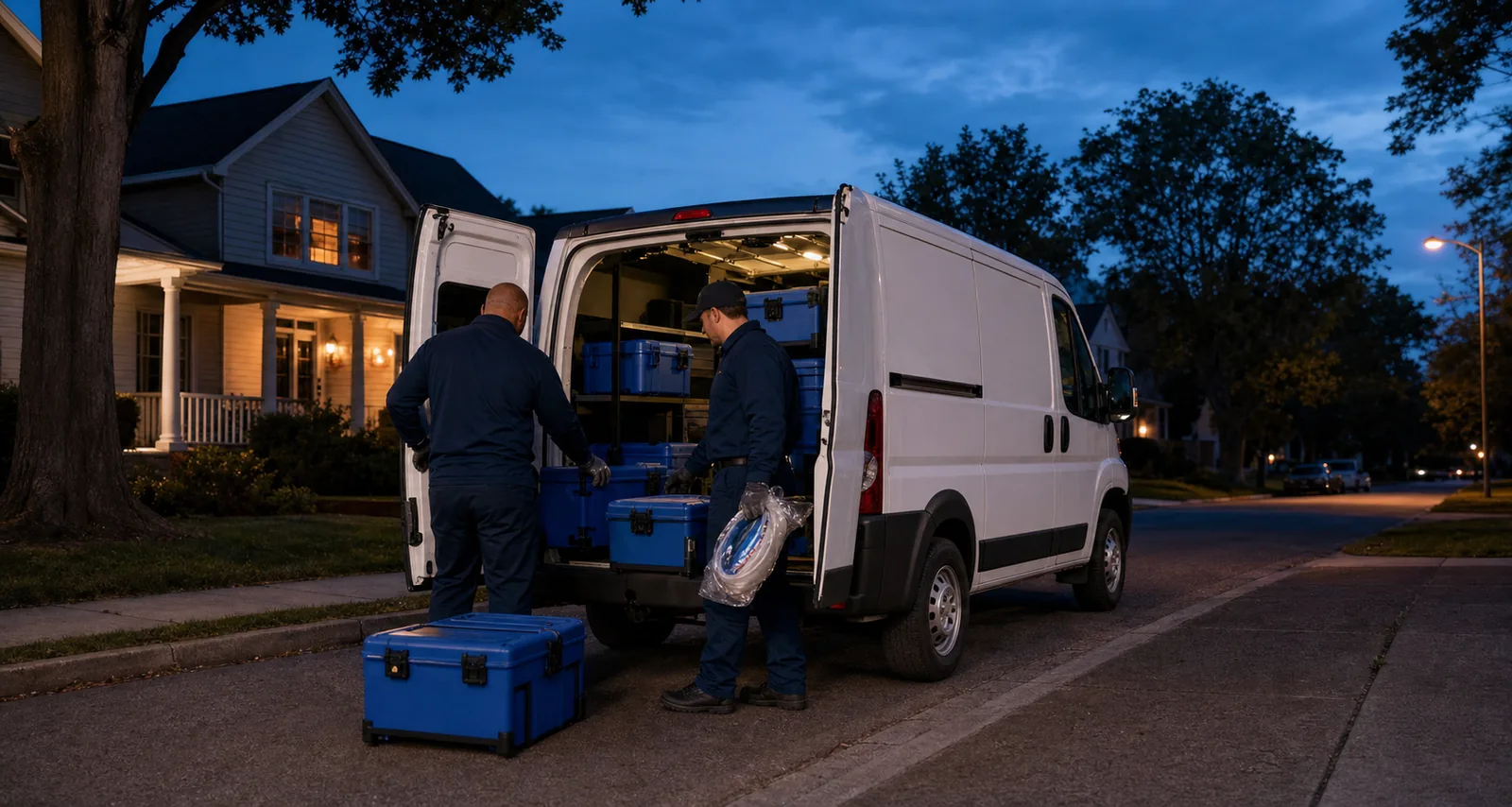
Older Norfolk and Portsmouth homes, attached properties, apartments, and Peninsula rentals may have narrow stairs, limited staging space, shared dumpsters, or management rules. The estimate accounts for access, volume, disposal logistics, and the pace of client decisions.
The focus stays on safety, priorities, and practical decisions—not blame.
Keep, discard, donate, document, and review categories are agreed before items move.
Sharps, biological material, pests, moisture, and unstable contents are identified so the work can be sequenced safely.
Every project is different. Your written scope should identify the work area, authorized removal, surfaces to be retained, products or equipment anticipated, access assumptions, and important exclusions.
Request an AssessmentWalkthrough and priority-setting with the authorized client
Safe-path and work-zone planning
Sorting support using agreed categories
Bagging, boxing, and removal of authorized contents
Surface cleaning and sanitation within the written scope
Biohazard remediation where separately identified and approved
Coordination notes for pest, repair, or specialty services outside scope
Exact products are confirmed during scope planning. EPA-registered disinfectants are used according to their labels, including the intended surface, dilution, safety precautions, and contact time.
We identify safety goals, decision authority, protected items, access constraints, and the areas that matter first.
A safe route and staging area are established without making unapproved decisions about belongings.
Items move through agreed categories, and authorized debris or contents leave in a controlled sequence.
Accessible surfaces are cleaned within scope and remaining repair, pest, or specialty needs are documented.
Do not enter an unsafe or unreleased area to gather information. Call with what you already know.
For property-specific advice, call so we can account for scene status, affected materials, access, and local response conditions.
(757) 553-9150 →No. The sorting rules and decision authority are established before removal. Priority items and no-discard categories should be identified clearly at the start.
It depends on the conditions, work zone, and pace of decisions. Some projects are completed in phases with the resident involved; others require temporary separation from specific areas for safety.
Yes. Phased work can prioritize exits, kitchens, bathrooms, sleeping areas, utilities, or inspection deadlines. Each phase should have its own scope and decision rules.
Work pauses around the condition so it can be assessed. Protective cleanup can be added through an authorized scope change rather than handled as ordinary debris.
Call for urgent dispatch or send the details you can safely share. We'll explain the next step and how a written scope is prepared.