Source-first assessment
We look for the affected material and migration path before recommending treatment.
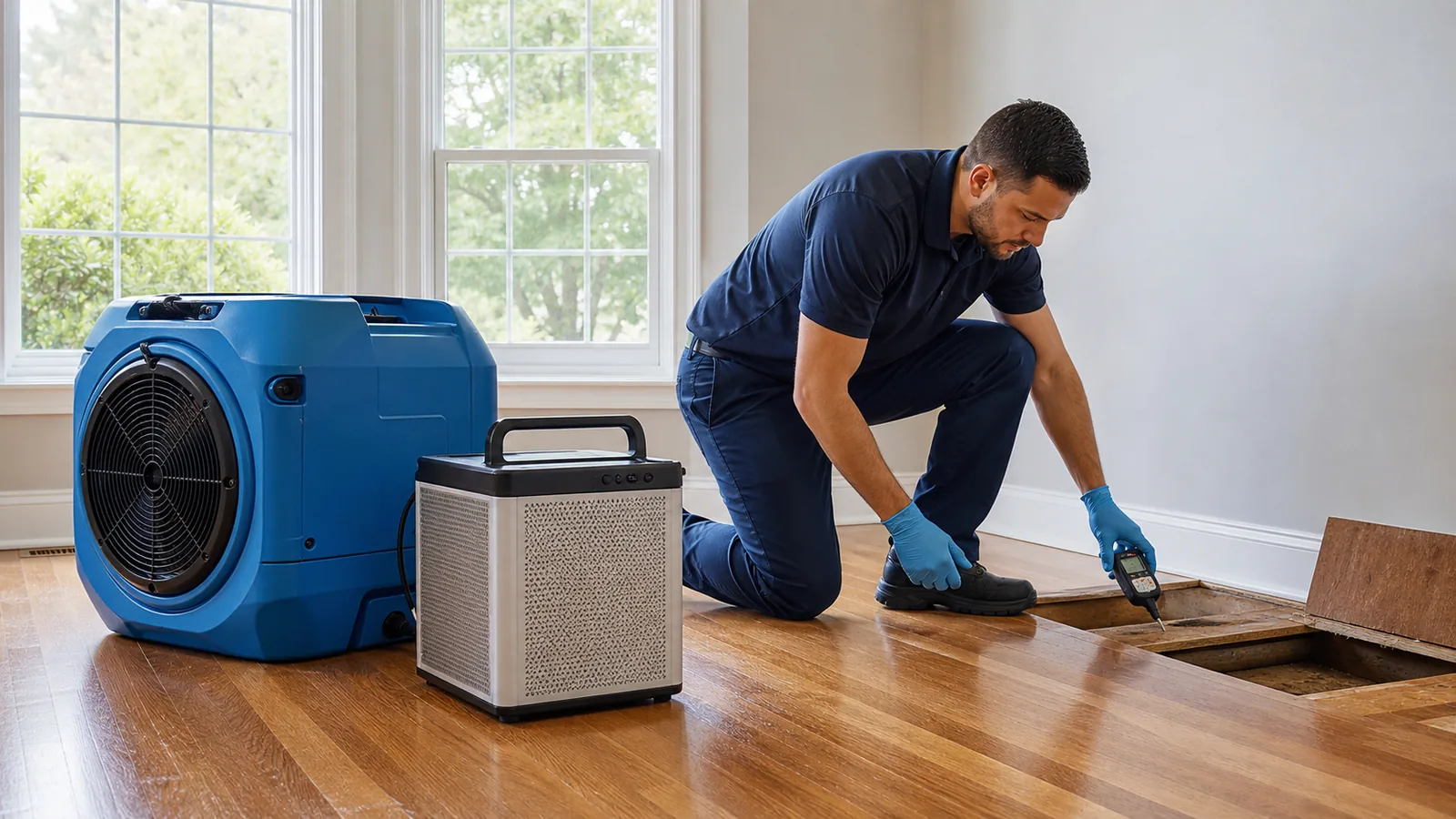
Persistent odor usually points to a source, affected material, or air pathway that has not been fully addressed. We inspect first, remove or clean the source where accessible, and select treatment methods for the actual material and condition.
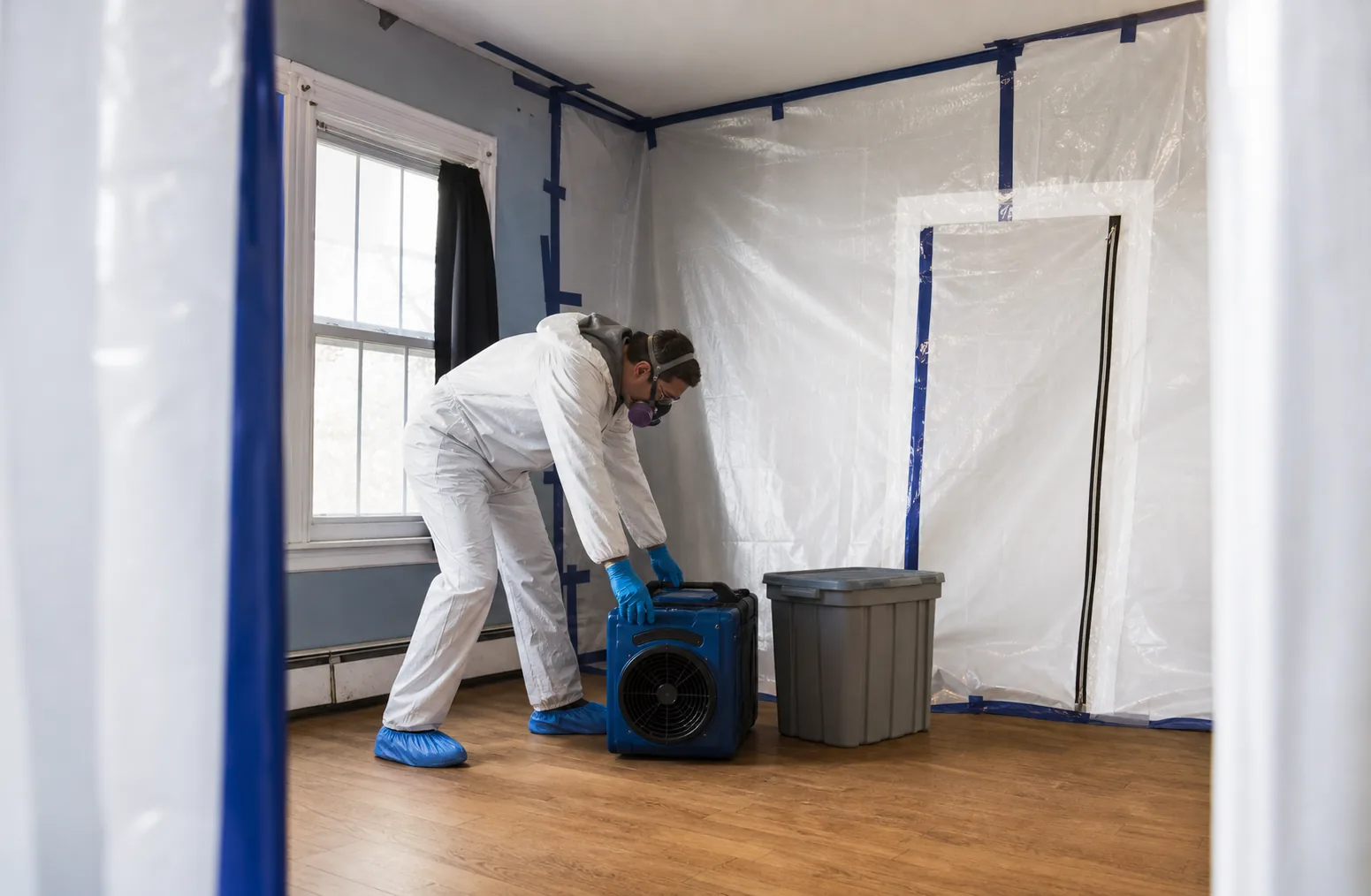
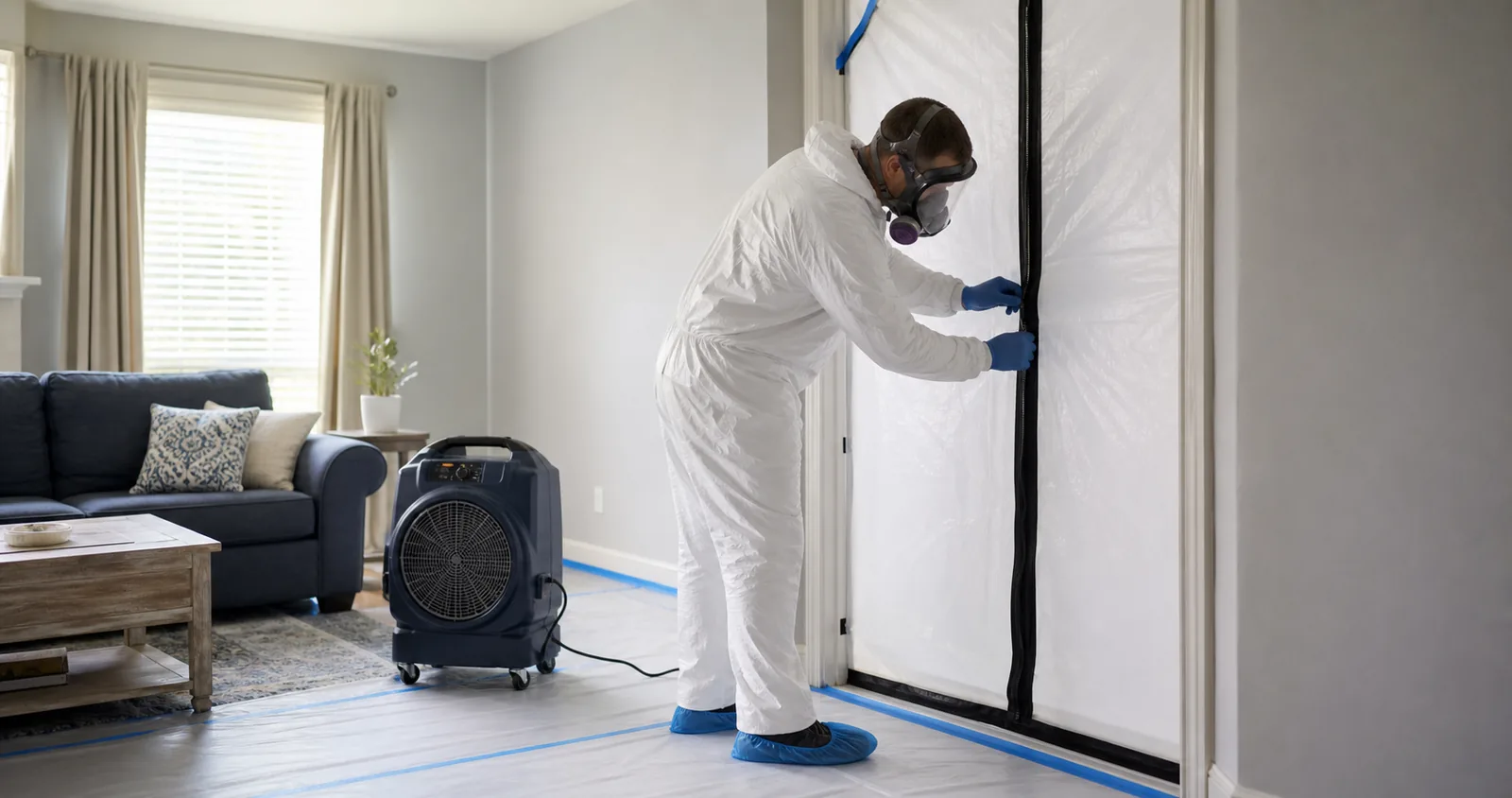
Odor remediation is a sequence, not a fragrance treatment. The work may involve removal of contaminated porous materials, detailed cleaning, airflow control, cleaning agents, enzymes, oxidizers, pairing agents, antimicrobial products, or encapsulation. The appropriate combination depends on the source and the building material.
Humidity can intensify odors and slow drying in coastal Virginia properties. Crawlspaces, older floor systems, shared walls, vehicles, and HVAC pathways may also change how odor travels. The estimate distinguishes accessible source work from concealed or specialist work that may require opening materials or another contractor.
We look for the affected material and migration path before recommending treatment.
Porous, semi-porous, and nonporous surfaces do not receive the same process.
The scope explains what can be treated, what should be removed, and what may require repair or specialty evaluation.
Every project is different. Your written scope should identify the work area, authorized removal, surfaces to be retained, products or equipment anticipated, access assumptions, and important exclusions.
Request an AssessmentOdor history and accessible source assessment
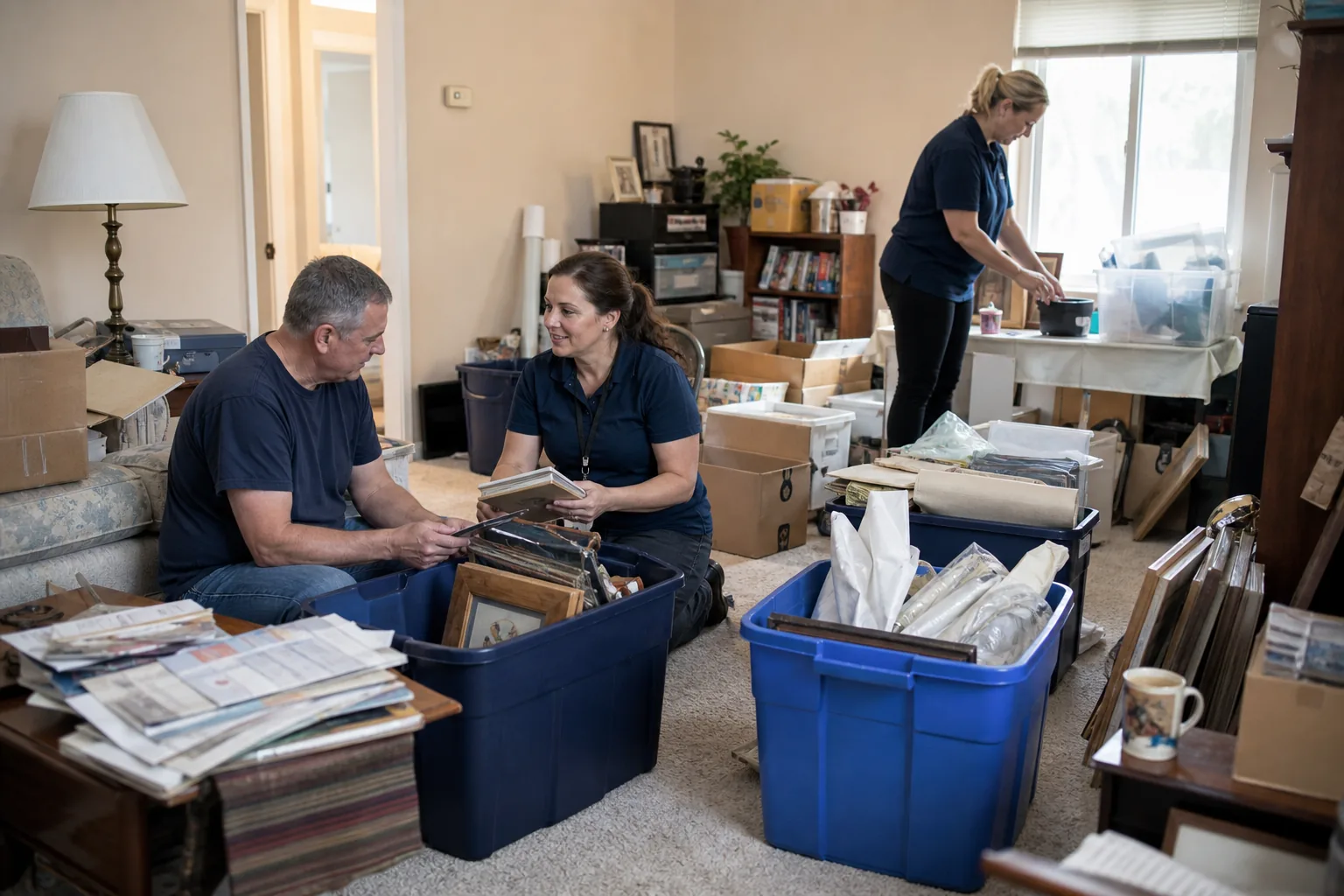
Evaluation of contents, finishes, seams, cavities, and air pathways within scope
Removal or cleaning of accessible source material when authorized
Surface cleaning and decontamination as conditions require
Air-control or filtration equipment when appropriate
Targeted odor treatment selected for the source and surface
Post-treatment review and ventilation guidance
Exact products are confirmed during scope planning. EPA-registered disinfectants are used according to their labels, including the intended surface, dilution, safety precautions, and contact time.
We establish the odor history, likely source, material pathways, previous treatments, and occupied-area concerns.
Accessible affected material is cleaned or removed; concealed conditions are documented before openings or repairs.
The selected methods are applied to the source area and connected surfaces in the correct sequence.
After ventilation and appropriate dwell or drying time, we review remaining odor and any additional repair needs.
Do not enter an unsafe or unreleased area to gather information. Call with what you already know.
For property-specific advice, call so we can account for scene status, affected materials, access, and local response conditions.
(757) 553-9150 →No responsible provider can guarantee that without knowing the full source and all affected pathways. The best results come from complete source removal, correct cleaning, adequate drying, and repair of concealed conditions.
Treatment methods depend on the source, occupied-space risks, materials, and scope. Ozone is not a substitute for source removal and is not presented as the default solution.
Encapsulation can be useful only after the source is removed or addressed and the surface is properly prepared. Sealing contaminated or damp material can leave the underlying problem in place.
Timing ranges from a focused treatment to several phases involving removal, cleaning, drying, treatment, and repair. The source and affected materials determine the sequence.
Call for urgent dispatch or send the details you can safely share. We'll explain the next step and how a written scope is prepared.