Compassionate communication
We keep questions relevant to the property and explain decisions without sensational language.
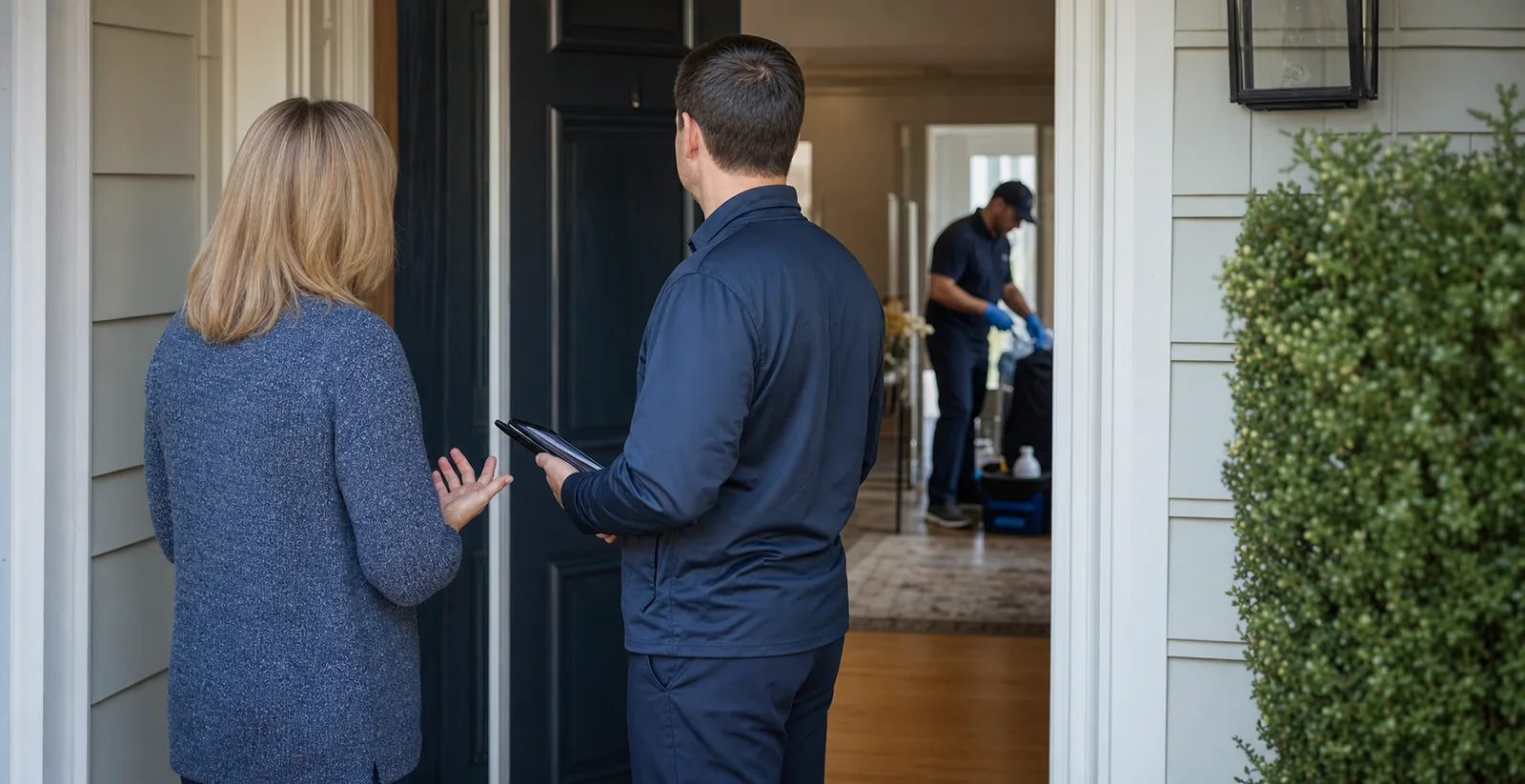
Families and property representatives should not have to manage traumatic biological cleanup alone. We provide a quiet, step-by-step response focused on privacy, safety, and the property decisions directly in front of you.
Trauma cleanup can follow an accident, suicide, medical event, assault, or other serious incident. The physical cleanup may involve blood, bodily fluids, porous materials, contents, and odors, while the human side requires clear choices, minimal questions, and respectful communication with the person authorized to direct the work.
In Hampton Roads, response planning may cross bridges and tunnels or involve military housing, apartment management, hotels, and out-of-area family members. We establish one authorized contact and confirm access before dispatch so decisions do not have to be repeated unnecessarily.
We keep questions relevant to the property and explain decisions without sensational language.
Discreet arrival, controlled access, and limited information sharing help protect those affected.
The work plan separates cleanup, disposal, repair needs, and items that require another specialist.
Every project is different. Your written scope should identify the work area, authorized removal, surfaces to be retained, products or equipment anticipated, access assumptions, and important exclusions.
Request an AssessmentPrivate intake with an authorized decision-maker
Scene-release and access confirmation
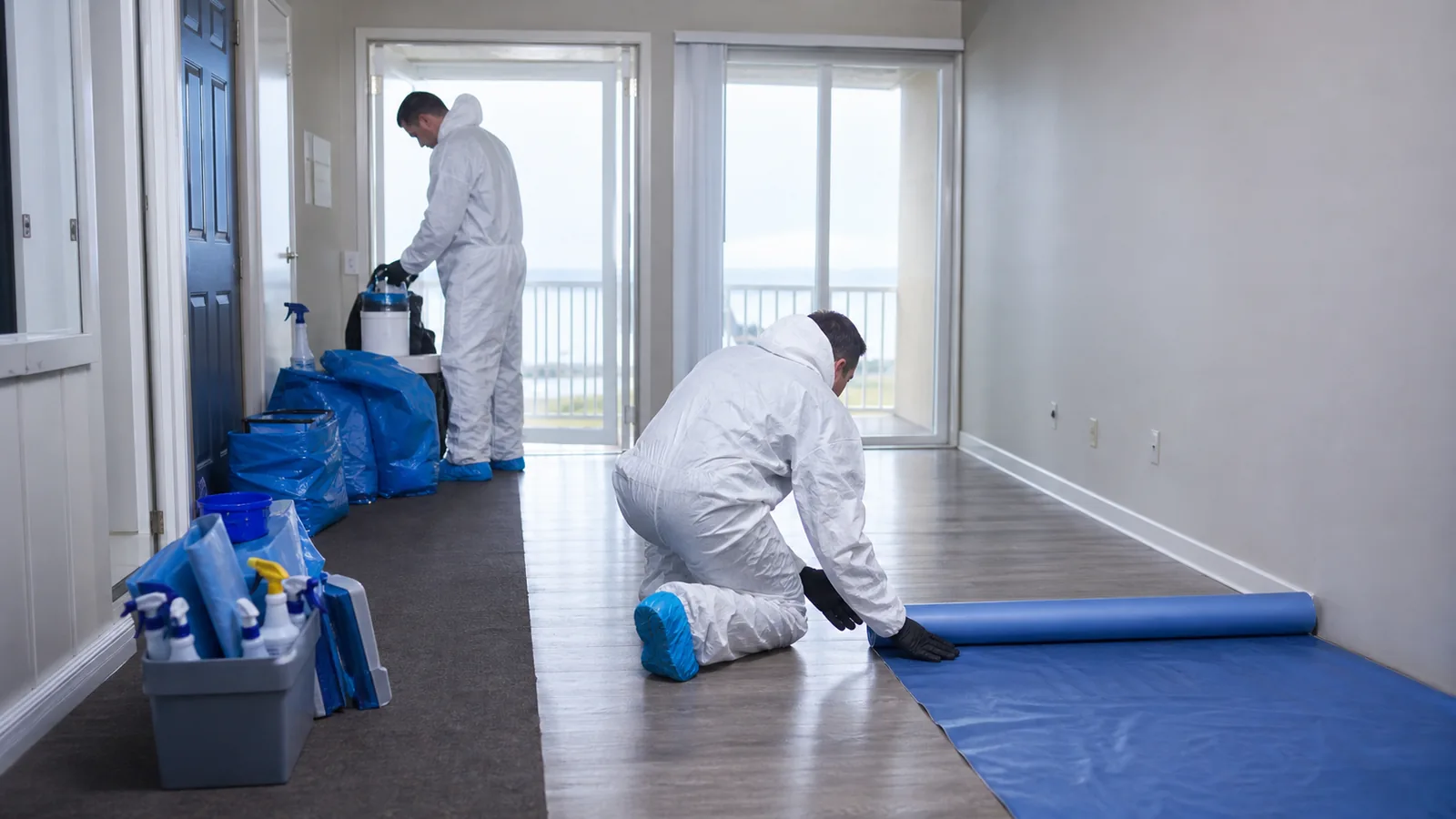
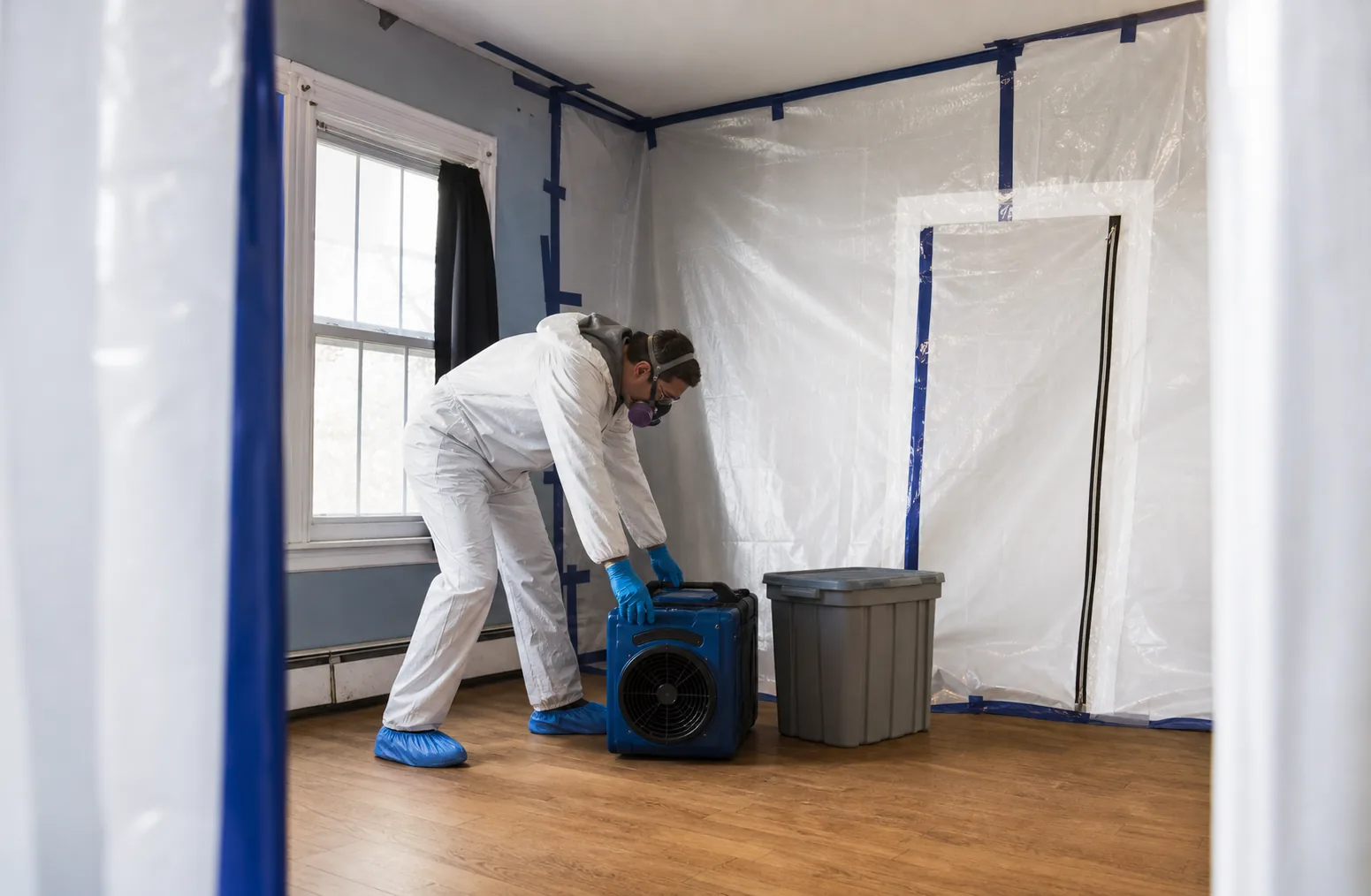
Containment and surface protection
Removal of authorized affected materials
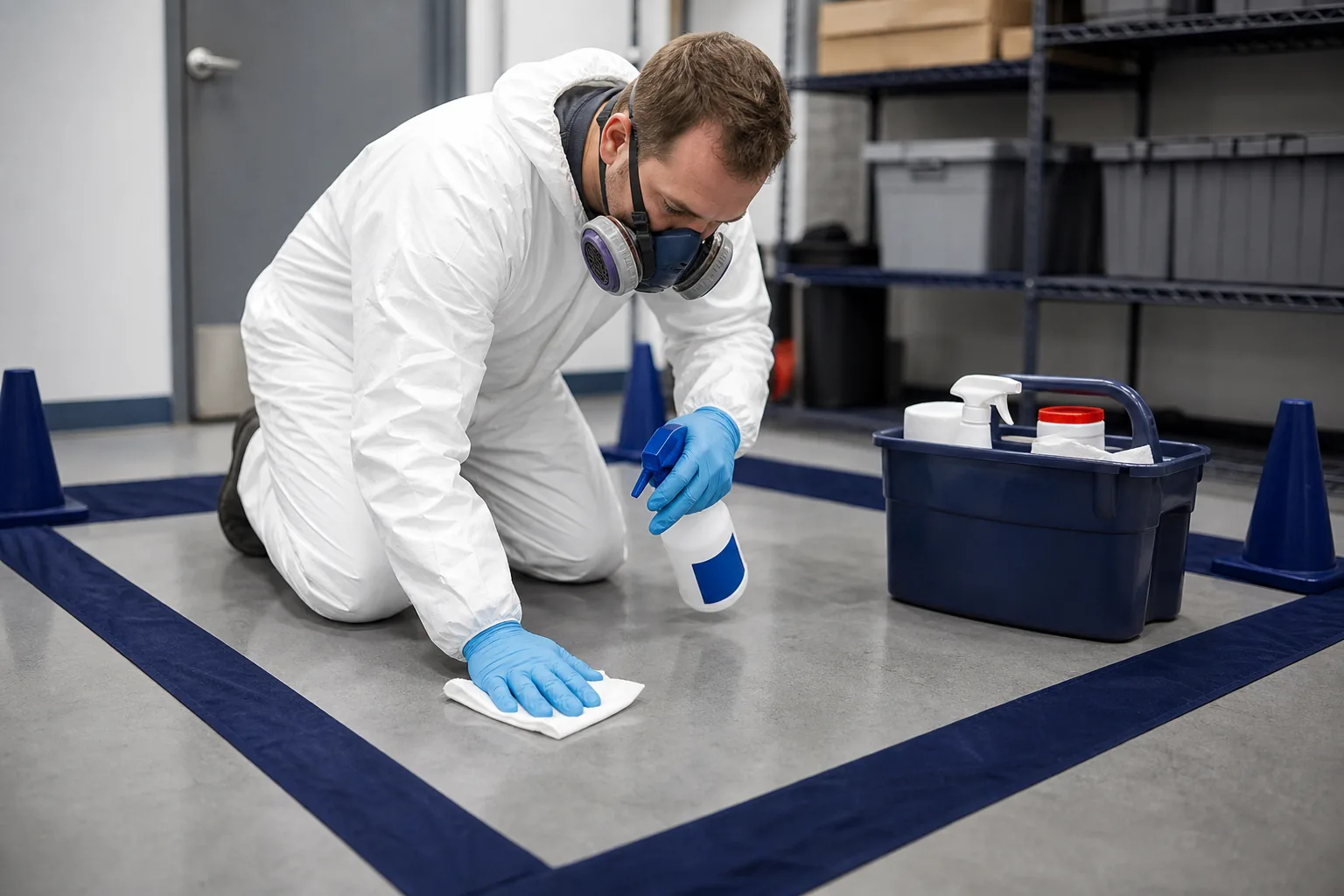
Detailed cleaning and label-directed disinfection
Odor-source evaluation and treatment
Clear closeout conversation and documentation of the performed scope
Exact products are confirmed during scope planning. EPA-registered disinfectants are used according to their labels, including the intended surface, dilution, safety precautions, and contact time.
We identify the authorized contact, scene status, access plan, and the most immediate property concerns.
The team establishes the work zone and protects clean pathways before moving equipment or materials.
Affected materials are addressed in sequence, followed by surface cleaning, disinfection, and odor-source work.
We review the area and explain repairs, replacements, or specialized services that may still be needed.
Do not enter an unsafe or unreleased area to gather information. Call with what you already know.
For property-specific advice, call so we can account for scene status, affected materials, access, and local response conditions.
(757) 553-9150 →No. We provide property cleanup and remediation. If someone may be in immediate danger, call 911. In the United States, call or text 988 for the Suicide & Crisis Lifeline.
Some belongings may be cleanable and others may not. Material type, exposure, sentimental value, and the ability to clean the item safely all matter. Important items should be identified before removal decisions are made.
We answer calls 24/7 and can discuss dispatch immediately. Actual start time depends on scene release, location, access, crew availability, and the scope needed for safe work.
Not always. An authorized contact must approve the scope and provide access, but remote coordination may be possible for owners or family members who cannot be at the property.
Call for urgent dispatch or send the details you can safely share. We'll explain the next step and how a written scope is prepared.