Source-based work
The plan focuses first on affected material and migration paths instead of masking odor.
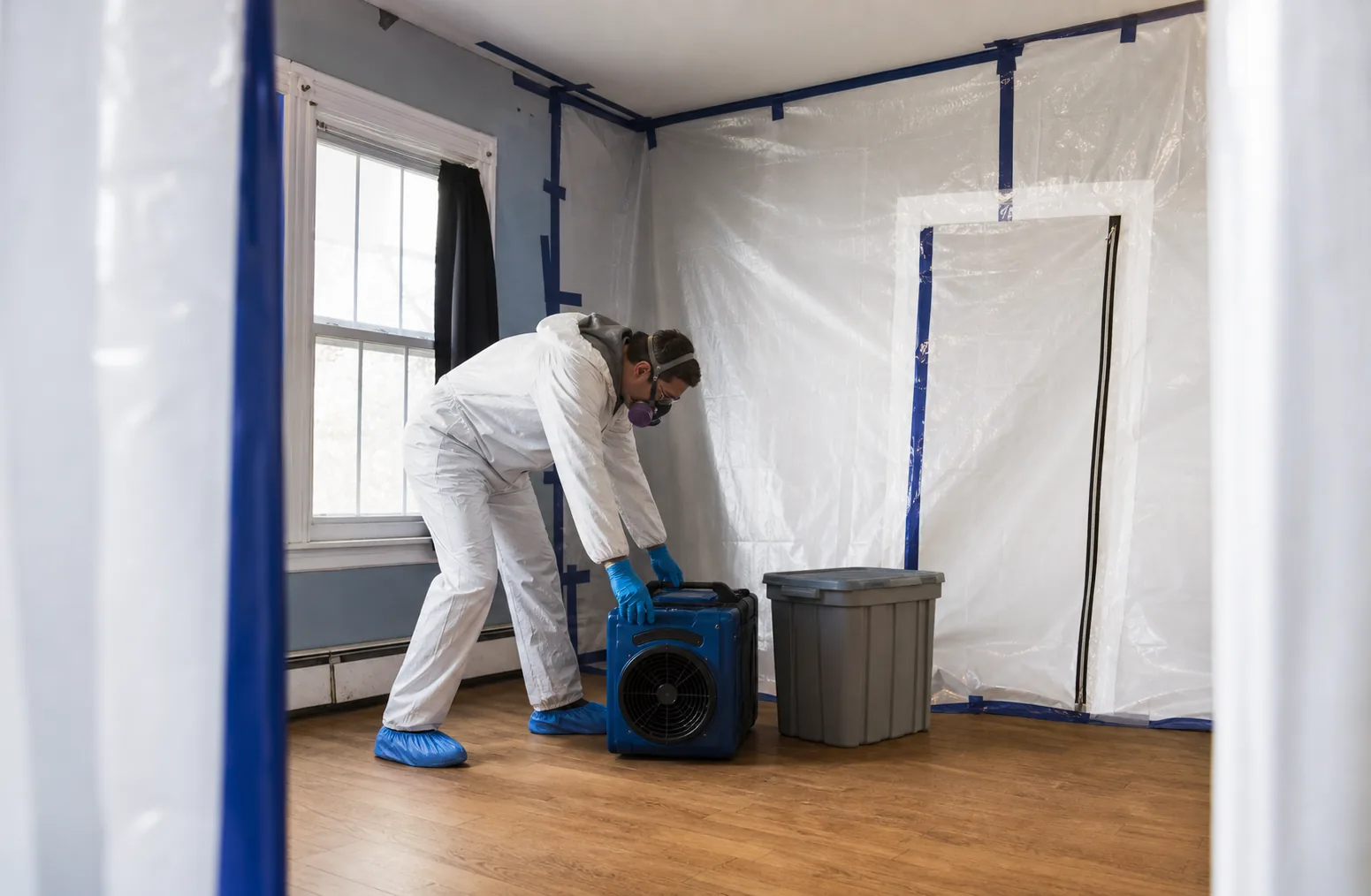
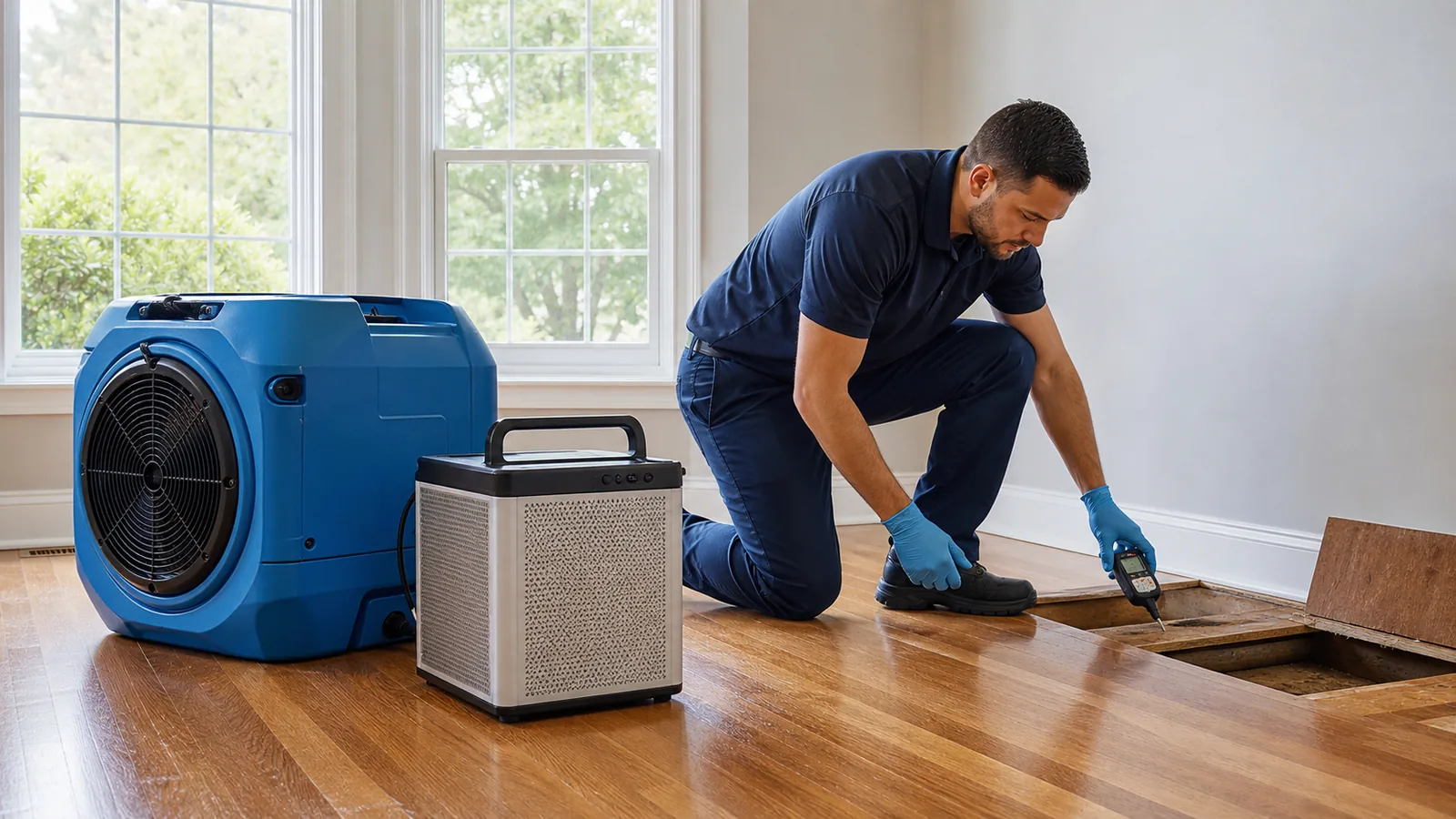
Decomposition can affect contents, flooring systems, walls, subfloors, air pathways, and adjacent spaces. We trace the source, remove affected material within the authorized scope, and address remaining surfaces and odors methodically.
An unattended death may create contamination beyond the immediately visible area. Fluids can migrate through seams or porous materials, and odor compounds can persist until the source is removed and affected building materials are cleaned or replaced. Remediation therefore combines careful assessment, controlled removal, cleaning, disinfection, and source-based odor work.
Hot, humid Hampton Roads weather can accelerate decomposition and odor movement, especially in closed properties or units with shared air pathways. Prompt isolation matters, but entry should still wait until the proper authority releases the scene.
The plan focuses first on affected material and migration paths instead of masking odor.
Flooring, subfloor, drywall, contents, and fixtures are evaluated according to exposure and cleanability.
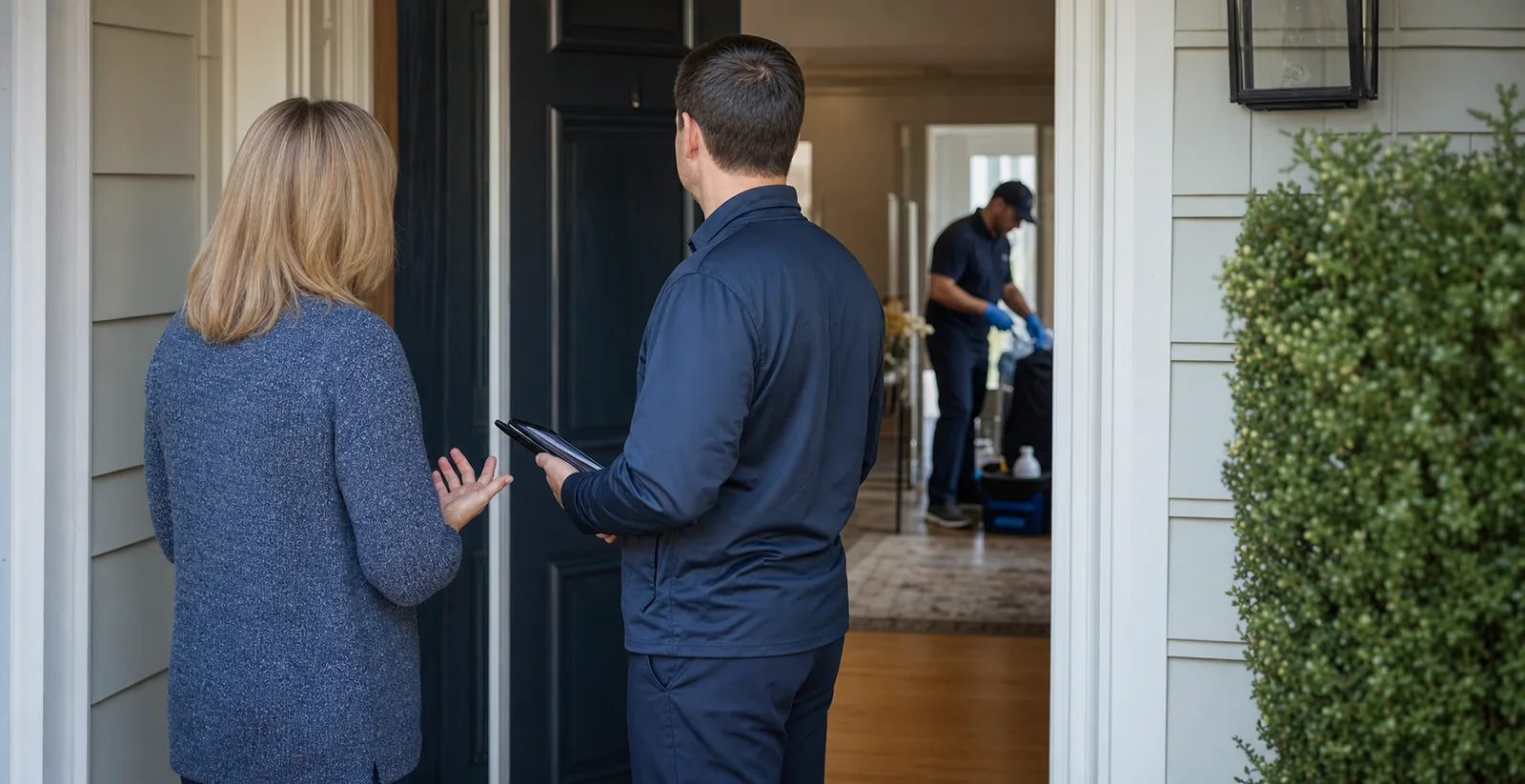
We work with the authorized family, owner, manager, or fiduciary and limit scene details to those who need them.
Every project is different. Your written scope should identify the work area, authorized removal, surfaces to be retained, products or equipment anticipated, access assumptions, and important exclusions.
Request an AssessmentScene-release and authorized-access confirmation
Visual and odor-path assessment
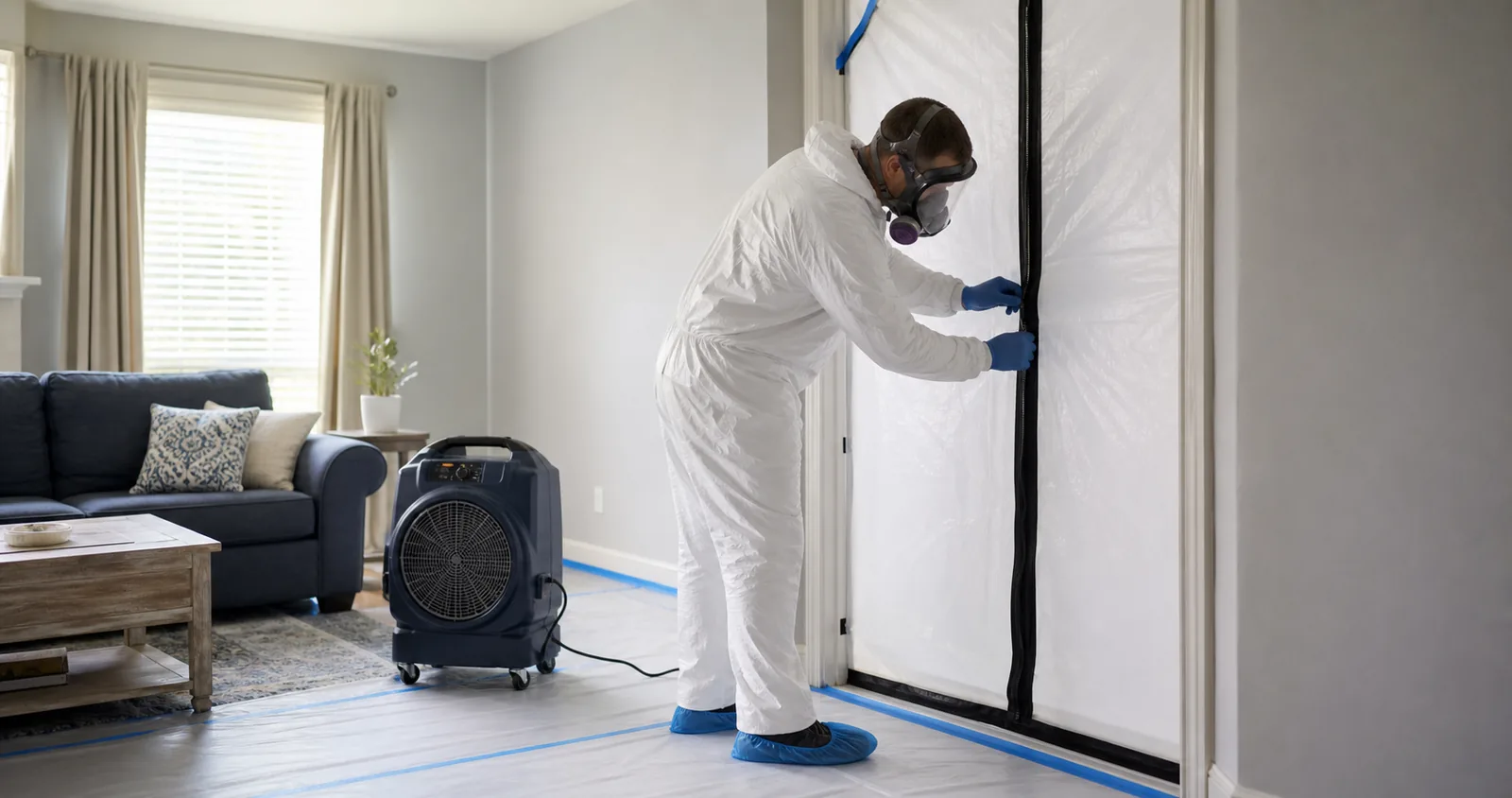
Containment and controlled removal
Cleaning and disinfection of retained surfaces
Treatment of accessible odor sources
Evaluation of HVAC or adjacent-area concerns when indicated
Documentation of areas addressed and repair needs identified
Exact products are confirmed during scope planning. EPA-registered disinfectants are used according to their labels, including the intended surface, dilution, safety precautions, and contact time.
We assess the primary area, likely migration paths, contents, floor assemblies, adjacent spaces, and air movement.
Authorized porous or unsalvageable materials are removed in a controlled sequence.
Retained surfaces are cleaned, disinfected where applicable, dried, and treated for remaining source odor.
The area is reviewed and any reconstruction, HVAC, pest, or other follow-on needs are explained.
Do not enter an unsafe or unreleased area to gather information. Call with what you already know.
For property-specific advice, call so we can account for scene status, affected materials, access, and local response conditions.
(757) 553-9150 →Odor can remain when affected porous material or a hidden migration path is still present. Successful odor work starts with locating and removing the source, then cleaning and treating remaining materials.
Sometimes. The decision depends on the material, seams, depth of migration, and whether the surface can be accessed and cleaned effectively. The written scope should identify anticipated removal before work proceeds.
Air movement can carry odor, and nearby returns or shared systems may require evaluation. HVAC cleaning or repair is not automatically needed, and specialized HVAC work may be referred to another provider.
A smaller, accessible area may be completed more quickly than a scene involving multiple layers, contents, or adjacent spaces. The assessment determines the sequence and a realistic time range.
Call for urgent dispatch or send the details you can safely share. We'll explain the next step and how a written scope is prepared.